
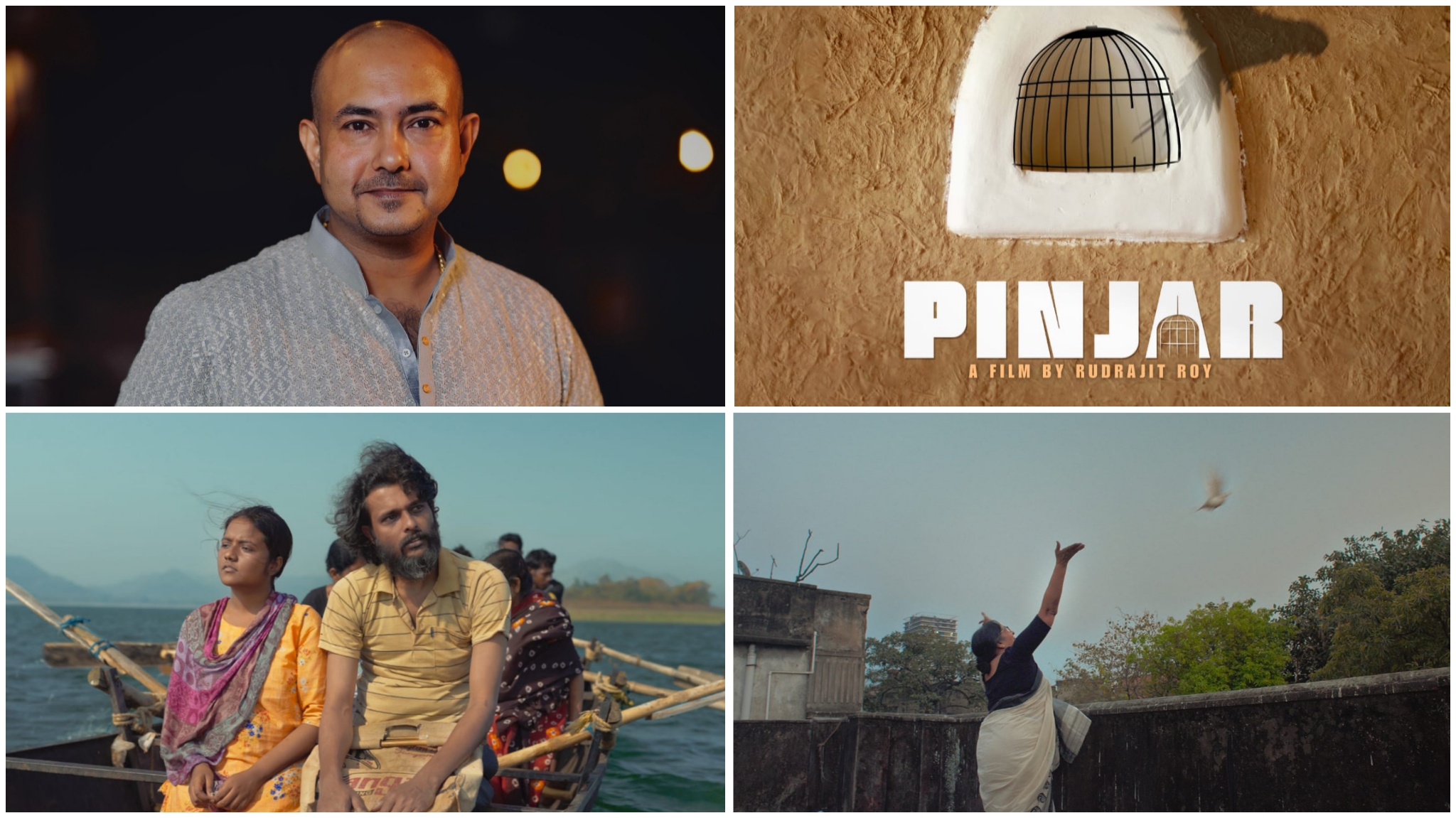
- Camongo Spoke to Rudrajit Roy, Director of Pinjar -
The 31st Kolkata International Film Festival on from 6 -13 November 2025 is a much-awaited event in the city that sees seasoned film buffs as well as film students thronging to watch the lineup of films for competitive and non-competitive categories as well as special tributes made to cinema legends.
Camongo spoke to Dr. Rudrajit Roy, Director of ‘Pinjar’, whose film was an entry in the Bengali Panorama section of KIFF 2025. Here’s what we learnt from the candid conversation -
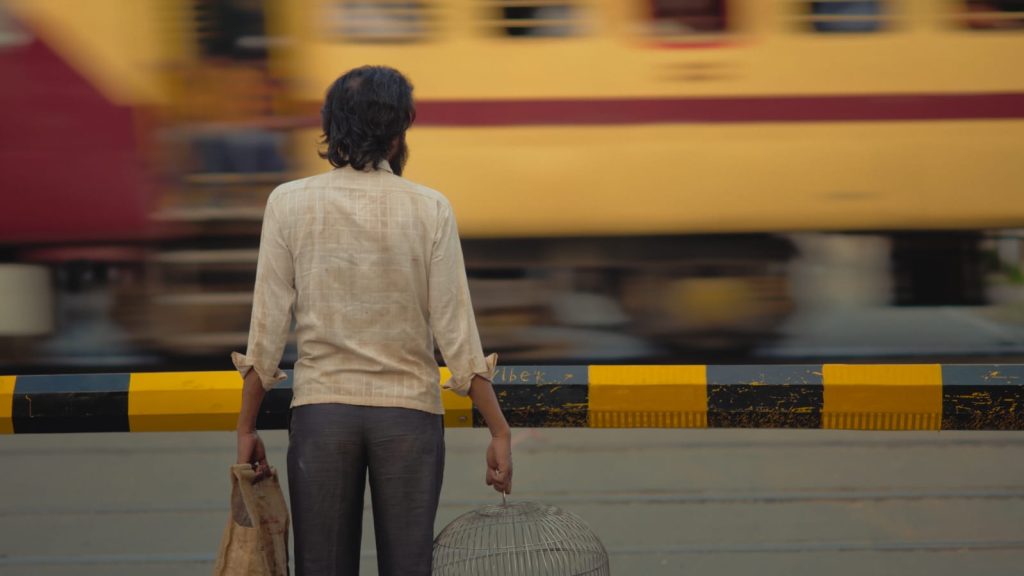
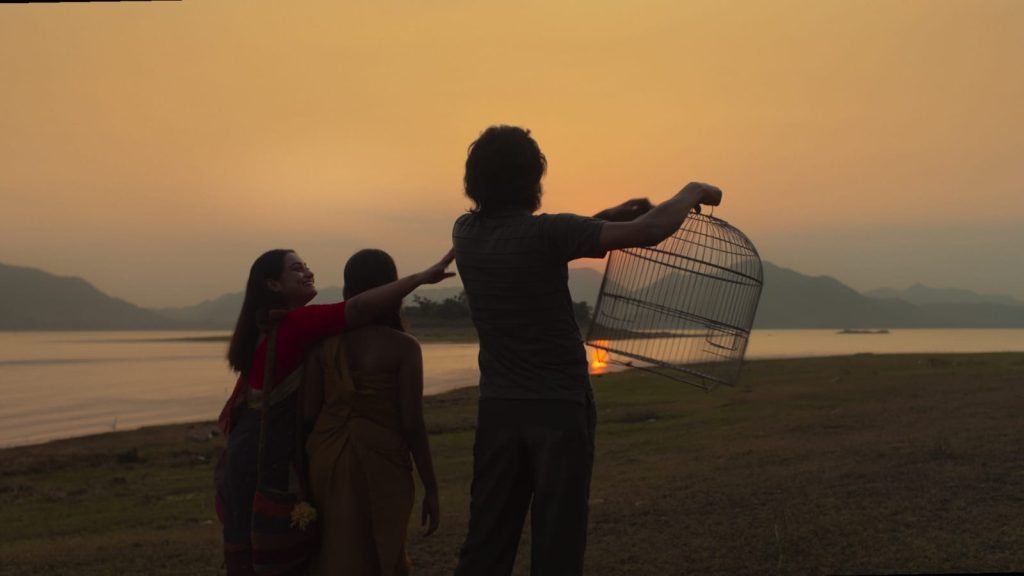
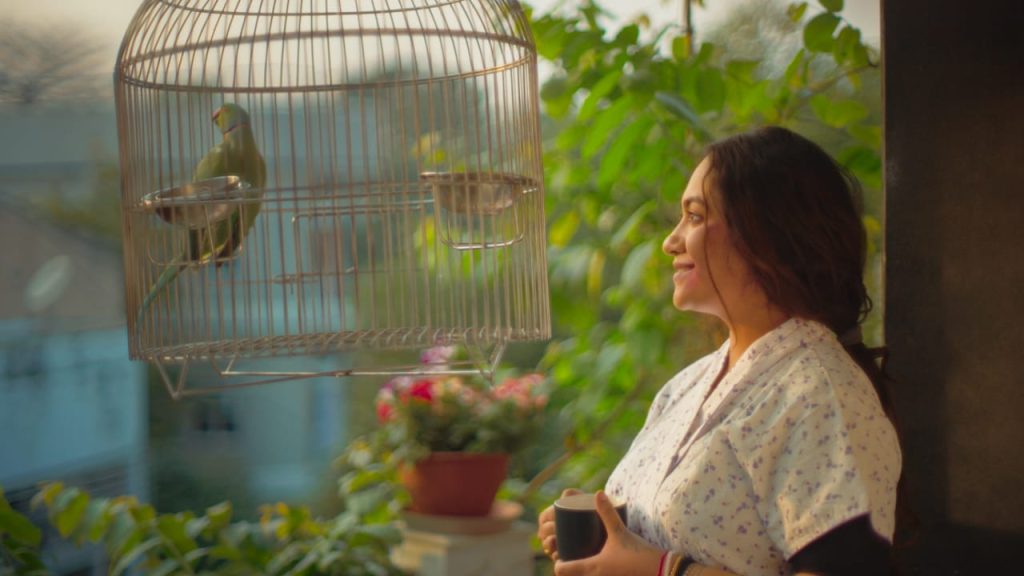
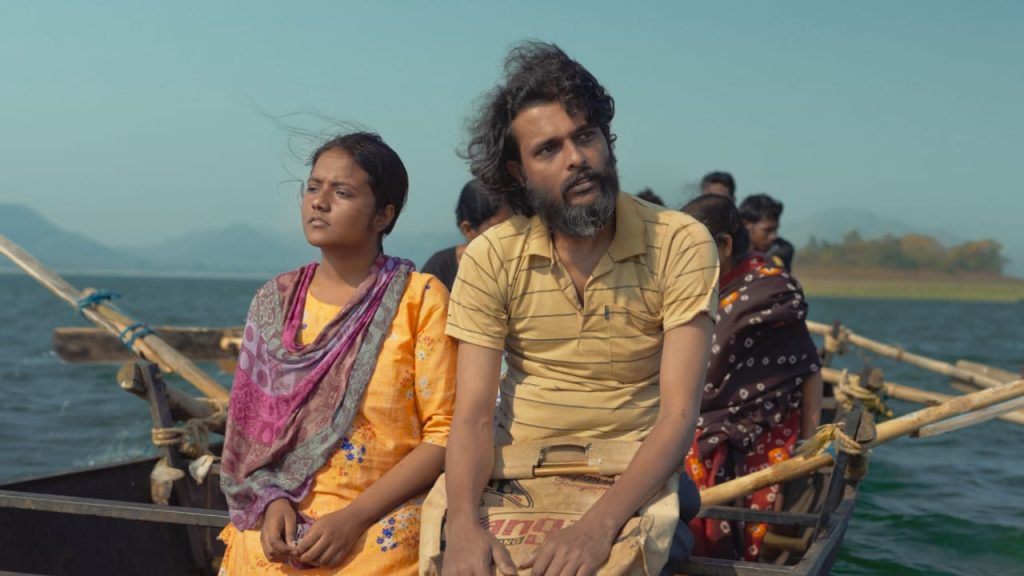
Pinjar, produced by Chasing Dreams of which Roy is himself a co-founder, is an allegory of the confinement that we inherit or that circumstances thrust upon us. The narrative draws a parallel between the disturbing practice of trapping birds in the wild and forcing them into cages and that of five interwoven humans lives while they resist the unseen forces that society imposes on them.

In essence, Pinjar draws upon the metaphor of a caged bird to bring our collective attention to men and women who endure impositions of patriarchy, violence, poverty, and grief thrust upon them. And, yet, just as hope leads us conquers challenges and confinement can turn to freedom, a bird can be set free from its cage and fly back to the sky again. So can humans.
Roy tells Camongo that it is not his intention to preach and teach through Pinjar but make us more aware of many inhumane traditions and societal practices that still carry on. The film has been drawn heavily from the many experience the filmmaker has collected during the course of his work as a doctor in rural and slum communities across West Bengal. He has seen first-hand how societal norms, old and outdated conventions, traditions, and customs often come in the way of suppressing the dreams and aspirations of villagers.
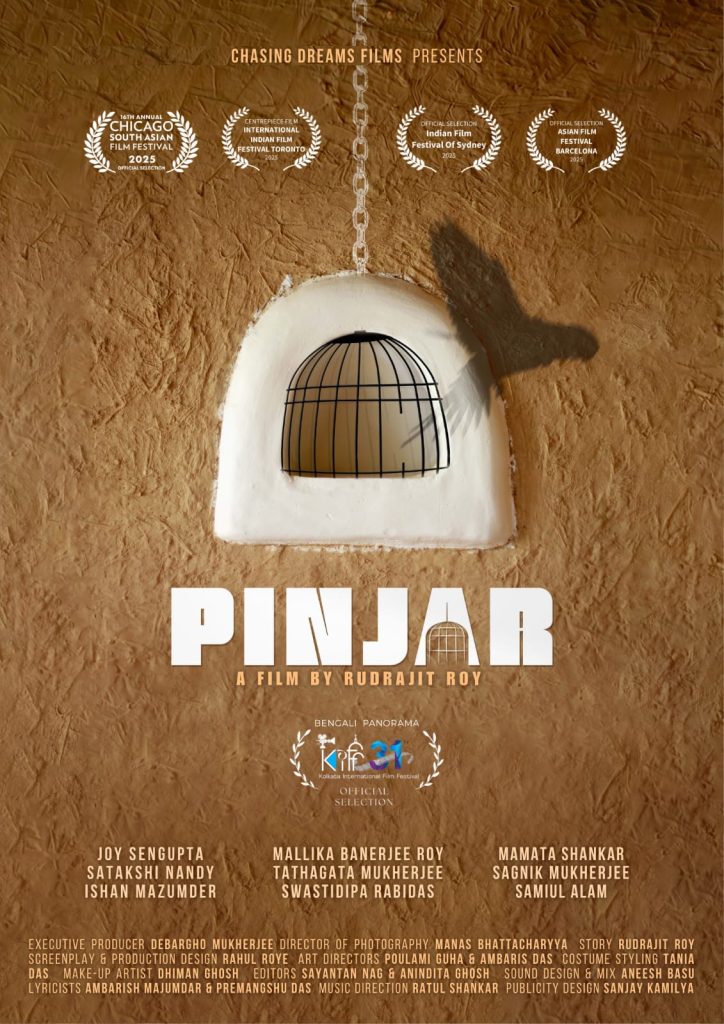
A cinematic protest, Pinjar was created after two years of intensive research and plenty of emotional investment. Mamata Shankar, the doyenne of Bengali film and theatre and a lead member of the cast waived her entire fee. Several acclaimed cast and crew members followed her example. As luck would have it, funding collapsed during the making of Pinjar but a wave of support from several well-meaning supporters – including a former patient of Roy – ensured the project sailed through.
Roy says he has been deeply influenced by several directors of the past and names Satyajit Ray and Rituparno Ghosh as legends who continue to inspire his work. He is immensely fond of watching Sanjay Leela Bansali’s films. Sir David Lean’s large-scale epics continue to impact him as does American filmmaker Martin Scorsese. Roy also looks up to David Fincher as an idol.
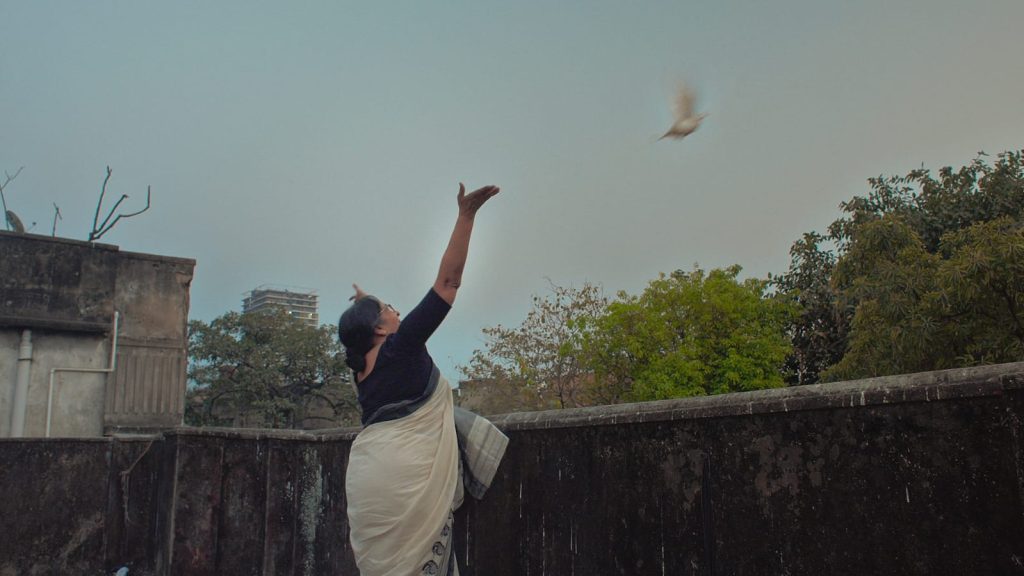
Naturally he is joyous that Pinjar has received much acclaim globally. The film had its world premiere at the 16th Chicago South Asian Film Festival. Pinjar was selected for other film festivals, including the Indian Film Festival of Sydney and the International Indian Film Festival of Toronto where it was hugely received by the Indian diaspora, Roy tells us. At the 13th edition of the Asian Film Festival in Barcelona, Pinjar was an entry in the Discoveries Section alongside an impressive list of films from over 20 Asian and Asia-Pacific countries.
What’s keeping him busy right now? The Kolkata International Film Festival, where the film had its Indian premiere, kept him on his toes between 6 -13th November. Says the director,” I am a workaholic. I kept dividing my time between my medical practice and being at KIFF, often pushing my lunch to late afternoon. I am also busy writing a piece which will take a while to be crafted into a full-fledged film as topics I delve into require considerable research. But I am hopeful it will be another evocative story that will receive a lot of love.”
Ever since he picked up a camera in his boyhood and trained his lens on the world around him, images have kept him enthralled. Now, having taken a deep dive into his passion, Roy says filmmaking will continue captivating him for the rest of his life.
Inputs by Neha Karmakar