
- Culinary Expert Ananya Banerjee Tells Camongo -
When winter arrives, sweetshops in Bengal take on seasonal magic that comes from a very special ingredient – Nolen Gur. You may hear some locals referring to it as “Natun Gur”. A direct translation means ‘new jaggery’ and this variety comes from the sap of the Khejur gach or date palm tree (Phoenix sylvestris). The process of how sap is collected from the tree and goes on to transform itself into rich and velvety Nolen Gur is a charming tale steeped in years of tradition.
From Tree to Table – How Date Palm Sap becomes Nolen Gur
Date palm trees grow in several rural and suburban districts of West Bengal but more profusely in Bankura, Purulia, Jhargram, and West Medinipur. As temperatures start dipping in late October- early November with nights getting longer and chillier, each mature tree starts producing sap that oozes out through a special nick made on the bark and flows into an earthenware vessel hung up on the trunk. Drop by precious drop the sap collects in the vessel all night long and is taken down by the sap tapper early in the morning before the sun comes up.
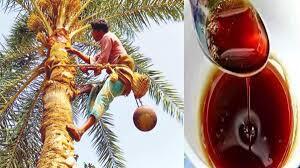
The sap tapper is no ordinary person. He (and we are happy to report, there are womenfolk who have now joined this earlier exclusively male bastion) knows how to judge the time of the morning that’s best suited to go up the tree and fetch his vessel down. Typically, the sap is transferred to another earthenware vessel that the tapper carries up with him, tied securely around his waist. The ‘ritual’ of the sap tapper, agile and skillful, going up the tree trunk to fetch his load of sap is an iconic one and has become the subject of many a regional artist’s depiction of rural Bengal scenery.
This clear and sweet liquid is then collected and put on a slow simmering wood fire and the gur making process starts in all earnest. The best makers know how to maintain just the right temperature and prevent the liquid from getting burnt by the heat. It is stirred at regular intervals to maintain a smooth homogeneous consistency. When the processing is done right, what emerges is a dark, sweet-smelling slippery liquid called Jhola Nolen Gur. When solidified further, we get the aromatic roundels of Nolen Gurer Patali.
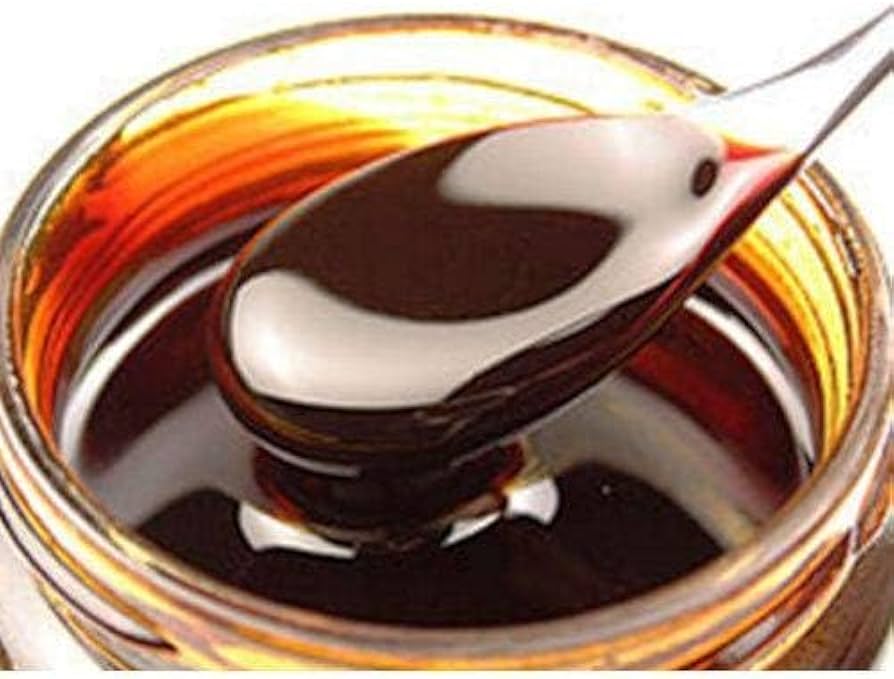
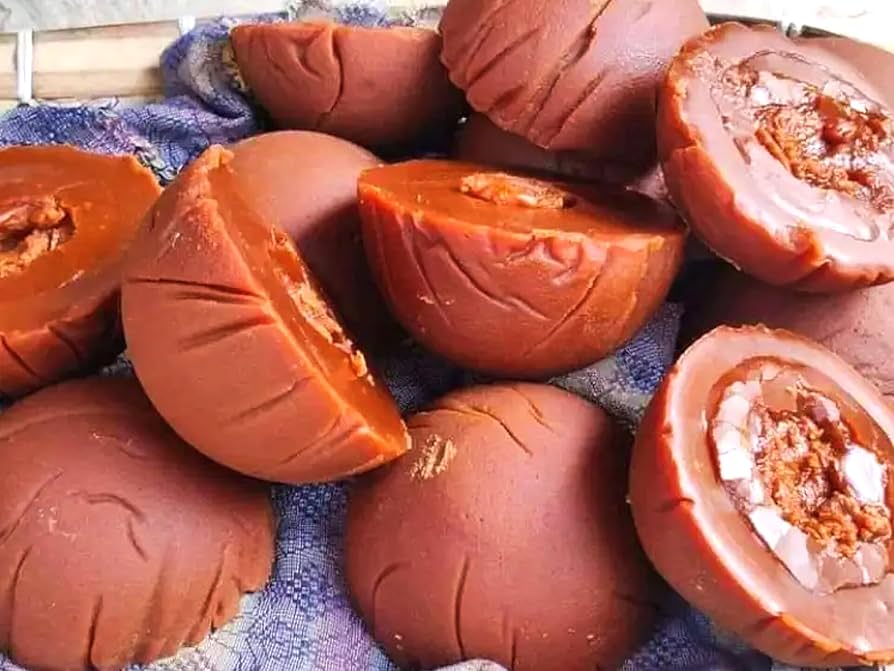
Both forms – solid and liquid – are used extensively in winter confectionery. If you walk into any shop this season you will be greeted with mesmerizing Nolen Gur specials filling tray upon tray in the display windows. Feel free to stare as much as you like, then go ahead and buy loads of boxes for yourself and your loved ones. Because, like many seasonal delights, the best ones will be made and available for sale for a few weeks only.
If you are truly lucky, there will be a wizard in your own household who will transform Nolen Gur into an array of lip-smacking sweet dishes. Sure, you will have your personal favourites – and that is quite understandable - but trust us when we tell you that each Nolen Gur preparation has its own dedicated fan following.
Chef Ananya Banerjee Speaks to Camongo on Nolen Gur
In this blog, Camongo spoke to Celebrity Chef Ananya Banerjee, TV host, author of several cookbooks, ex-Executive Editor - BBC Good Food, and an authority on world cuisine. A true-blue Bengali at heart, Chef Ananya who confessed her love for Nolen Gur, also shared tips on some creative combinations you can try with Nolen Gur while entertaining this season.
Read on-
Camongo - Nolen Gur puts an extra-special spin on winter Bengali confectionery. Agree or disagree?
Chef Ananya Banerjee - Wholeheartedly agree. Nolen Gur is not simply an ingredient but a seasonal emotion. Harvested only in winter, its aroma—warm, smoky, almost caramel-like—instantly elevates even the simplest chenna-based sweet. Unlike refined sugar, Nolen Gur brings depth, softness, and a lingering complexity that feels both rustic and luxurious. Its fleeting availability adds to its magic; it reminds us that some flavours are meant to be waited for.

Camongo – Tell us about your fond childhood memories around Nolen Gurer Misti.
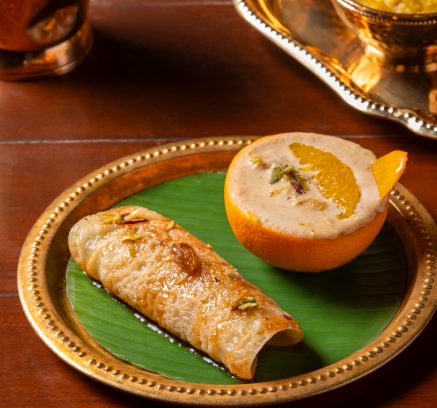
Chef AB - For many of us, Nolen Gur is inseparable from winter afternoons—steel tiffins opening to reveal softly soaked Nolen Gurer Rosogolla, or a fresh Patishapta being folded right off the tawa. I also fondly recollect the ritual of elders carefully storing a block of Nolen Gur in a metal dabba, reserved only for “special use.” Those moments taught us that good things are seasonal—and worth protecting.
Camongo – What are your views on classic vs fusion Nolen Gurer Misti. Which category do you think will endure?
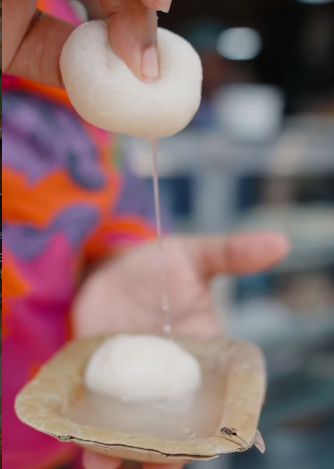
Chef AB - Classics always reign. Nolen Gurer Sandesh, Rosogolla, Payesh, and Patishapta succeed because they allow the gur to shine without distraction. Their balance is time-tested.
That said, thoughtful fusion works when it respects the ingredient. Nolen Gur cheesecakes, brownies, or ice creams can be delightful if the gur isn’t overpowered by chocolate or heavy cream.
According to me, classic chenna-based sweets, light desserts like payesh, sandesh, and pithe will endure over generations. Why? Because nostalgia, simplicity, and seasonality never go out of style. They remain and are equally cherished by all generations.
Camongo – Can you suggest some easy-peasy ideas for beginners and intermediates to jazz up Nolen Gur for home entertaining this winter?
Chef AB – You could try -
- Nolen Gur–Drizzled Mishti Doi with a pinch of sea salt
- Mini Sandesh Truffles rolled in toasted coconut or pistachio
- Warm Nolen Gur Syrup served over vanilla ice cream or poached pears
- Patishapta Bites—small rolls, sliced and plated canapé-style
- Nolen Gur & Walnut Dip for winter fruits like apple or pear
Sometimes, the simplest idea—serving Nolen Gur in its pure, soft form with hot luchi or rice payesh—is the most memorable.
Camongo – What’s your favourite Nolen Gurer Misti?
Chef AB – There are two - Nolen Gurer Makha Sandesh and Nolen Gurer Rossogolla.

Before We Go – Last we checked, most Nolen Gur is artisanal, still being prepared the way it was in your grandparents and their grandparents’ time. Some makers have substituted earthenware for plastic and that is a pity because it takes away the taste of the product. Thankfully, most of the clan realized this in a matter of a few seasons, and have gone or are going back to traditional methods of preparation, storage, and transport. Authentic and unadulterated Nolen Gur is becoming increasingly hard to find but you can still get some pretty superior varieties if you hunt harder. It’s all worth the effort when you savour the sweetness of authentic Nolen Gur and celebrate its rustic, nutty aroma.